
Why Recovery Collars Matter
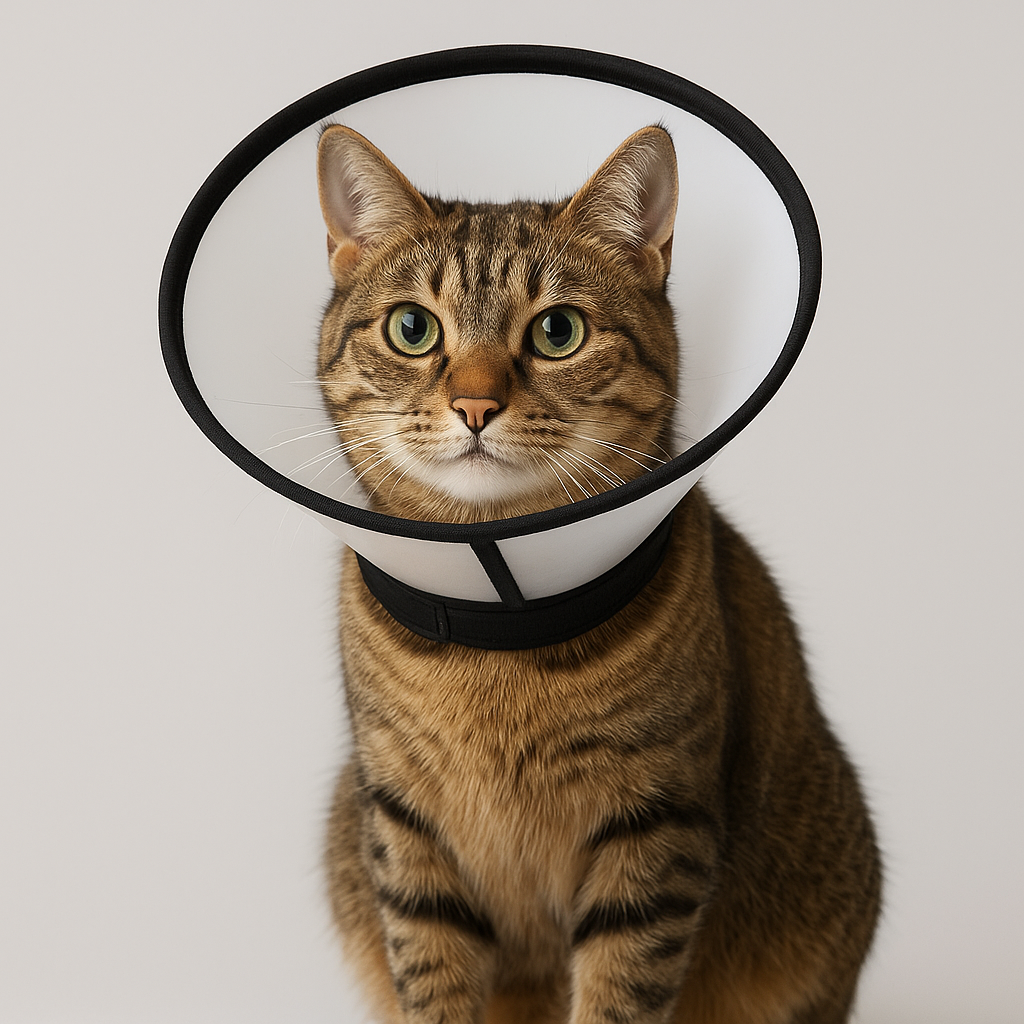
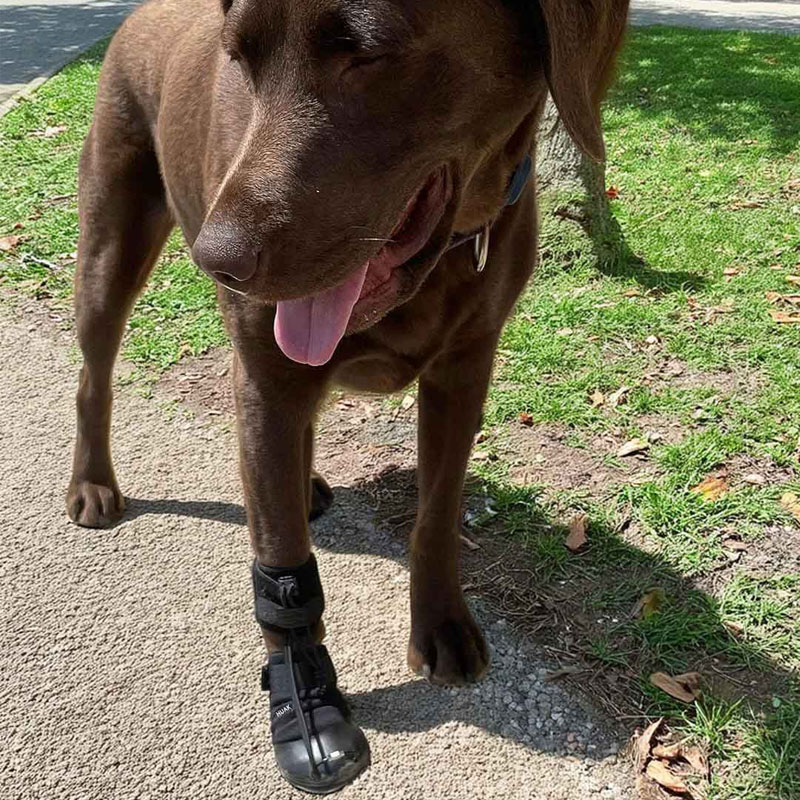
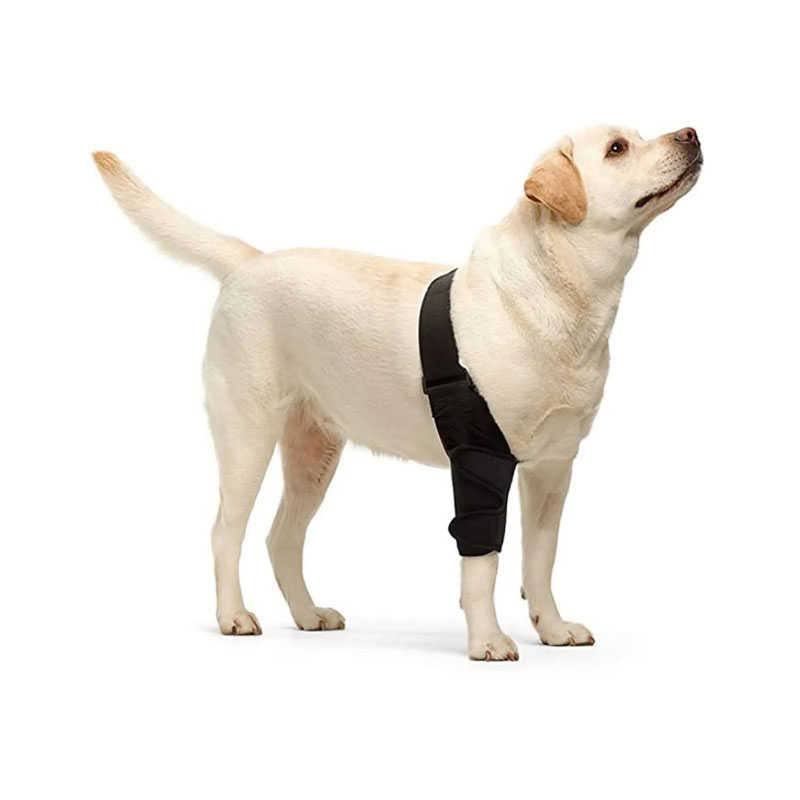
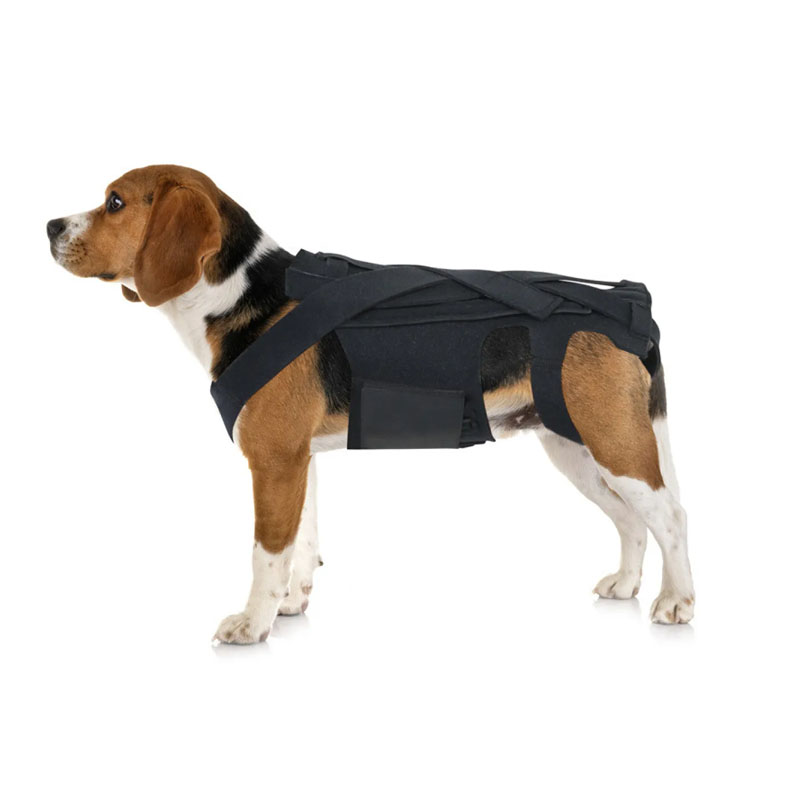
A recovery collar is designed to stop pets from licking or scratching stitches, hot spots, or healing wounds. It sounds like a small detail, but it plays a huge role in pet post-surgery protection. Even a few minutes of licking can open a wound, delay recovery, or cause infections. For that reason, understanding proper pet collar usage makes a big difference in how smoothly the healing process goes.
Choosing the Right Type of Collar
There isn’t just one style anymore. Traditional plastic cones are still common, but many owners choose soft foam collars or inflatable types because they’re more comfortable. The best choice depends on your pet’s personality and the location of the wound. Strong, determined pets may still need the classic cone. Calmer pets often do well with softer options. Whatever you choose, the goal is the same—reliable pet post-surgery protection without making daily life uncomfortable.
How to Use the Collar Safely and Comfortably
A lot of first-time pet owners wonder how to use a pet recovery collar the right way. The most important step is adjusting the fit. The collar should be snug enough not to slip off, but still loose enough for normal breathing. After you secure it, watch your pet walk, eat, and lie down. If something looks awkward, adjust the angle or the tightness until they move naturally. Small improvements can make the healing period much easier.
It also helps to give your pet a bit of extra space at home. They may bump into furniture or struggle with narrow areas at first. Keeping pathways clear is a huge help. These small things turn regular usage into genuine dog and cat recovery care, which is what most pets really need after surgery.
Daily Care While Using a Recovery Collar
Check the collar a few times a day to make sure it hasn’t loosened or rubbed the skin. Some pets try to remove the collar out of frustration, so positive reinforcement goes a long way—treats, slow petting, or calm talking can help them settle. These tiny routines create a sense of comfort, making proper pet collar usage feel more natural for both you and your pet.
Most importantly, don’t remove the collar unless your vet says it’s safe. Many wounds look better on the outside long before they’re fully healed underneath. This is why pet recovery collars stay essential for the entire healing schedule.
Final Thoughts
Using a recovery collar isn’t complicated once you understand how it works. Good fit, safe space, and consistent routine are the core of dog and cat recovery care. With the right approach, your pet won’t just heal—they’ll heal comfortably and confidently. Learning how to use a pet recovery collar correctly gives your pet the protection they need and helps you feel more prepared during their recovery.